
It's in the name! Donald Physiotherapy is a physiotherapy clinic. The focus in on orthopedics, but the services are actually quite diverse!
Donald Physiotherapy can assist with:
But, what else should you know about Physiotherapy?
What is Physiotherapy?
Physiotherapy is multifaceted treatment used to restore, maintain and optimize a person’s function, mobility and overall well being.
Different types of treatment are used to accomplish these goals including:
Donald Physiotherapy can assist with:
- Muscle and joint injuries
- Concussions
- Vestibular Rehabilitation - for Balance and Dizziness
- TMJ - jaw pain
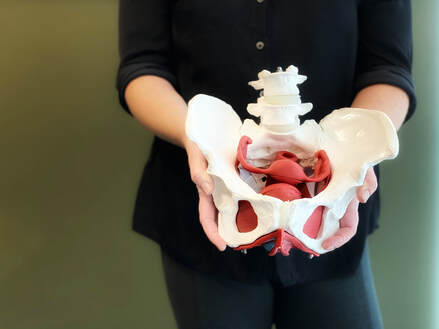
- Pelvic Floor Physiotherapy for men and women
- Arthritis and Osteoporosis Education and Treatment
But, what else should you know about Physiotherapy?
What is Physiotherapy?
Physiotherapy is multifaceted treatment used to restore, maintain and optimize a person’s function, mobility and overall well being.
Different types of treatment are used to accomplish these goals including:
- hands on treatment,
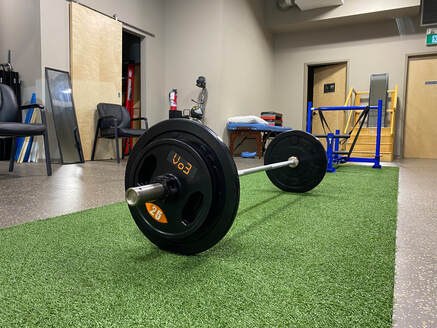
- exercise prescription and programming,
- different modalities such as acupuncture,
- dry needling,
- electrical current,
- and of course education.
What Kind of Training do Physiotherapists Have?
- In Saskatchewan, in order to apply to the School of Physical Therapy through the College of Medicine, you have to have completed an undergraduate degree. Once a student is accepted, the program is two and a half years in duration. This includes both in class learning and clinical placements.
- Once having completed the program successfully, the therapist has to then take a credentialing exam with both written and practical components.
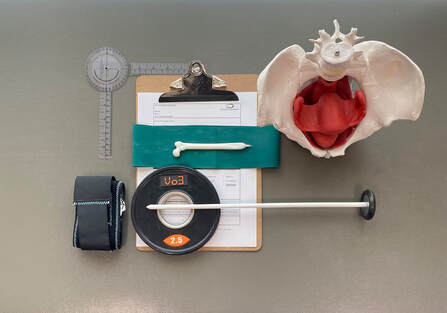
- Once licensed, a physiotherapist may choose to specialize in a given which requires additional specialized training. The post graduate courses vary in length dependent on the specialty. A therapist can choose to specialize in
- orthopaedics,
- vestibular therapy,
- pelvic floor physiotherapy,
- acupuncture,
- dry needling,
- neurology,
- paediatrics, or
- cardiorespiratory therapy to name a few.
- Physiotherapists are highly skilled health professionals who provide safe, quality, client-centred physiotherapy through a commitment to service availability, accessibility and excellence. The profession is shaped by scientific evidence and the education and competencies of the physiotherapists delivering the services. Physiotherapy is grounded in the belief that, to be effective, its services must respond to the changing needs of populations and our health system.
Is Physiotherapy Considered Publicly Funded or Private Access?
The answer is both!!
What Happens When Visiting With a Physiotherapist?
At Donald Physiotherapy, we aim to provide the highest quality of care. We book one hour for your initial assessment which would include both assessment and diagnosis with a treatment. Follow up visits are typically up to 30 minute appointments.
A typical visit will include:
Often you will actually feel better before your treatment is complete. We are not satisfied with just feeling better, we want you back to enjoying your life safely and effectively. This last piece is critical to staying healthy and preventing re-injury.
The answer is both!!
- Physiotherapists work in both publicly funded facilities(i.e. hospitals, long term care and rehab facilities) as well as privately owned clinics.
- A person would access a physiotherapist in publicly funded facilities for inpatient care when in hospital due to illness or surgery or when in long term care as needed. A person may also, on a limited basis, access outpatient care often for post –surgical care. These services are funded by public health.
- Private clinics are fee for service but if one has extended health benefits, most of the time we are able to bill the insurance company directly.
What Happens When Visiting With a Physiotherapist?
At Donald Physiotherapy, we aim to provide the highest quality of care. We book one hour for your initial assessment which would include both assessment and diagnosis with a treatment. Follow up visits are typically up to 30 minute appointments.
A typical visit will include:
- Time spent assessing progress , followed by an appropriate treatment for your condition, topped off with a couple of exercises to do at home.
- the type of injury,
- severity of the condition,
- home exercise compliance etc.
Often you will actually feel better before your treatment is complete. We are not satisfied with just feeling better, we want you back to enjoying your life safely and effectively. This last piece is critical to staying healthy and preventing re-injury.
Did You Know, Physiotherapist are Primary Health Care Providers?
What is primary health care? Oh I am so glad you asked!
- Primary health care is the everyday care we need to protect, maintain or restore our health. For most people, it's the first point of contact with the health care system and the most frequently used health service. (About Primary Health Care in Saskatchewan | Primary Health Care in Saskatchewan | Government of Saskatchewan)
- Physiotherapists are regulated health professionals whose practice includes health promotion and disease prevention. Physiotherapists working in primary health care teams maximize mobility in response to the needs of patients across the lifespan. Physiotherapists help ensure continuity of care for patients and their families across the care continuum. (https://physiotherapy.ca/)
- Physiotherapists are able to screen for various conditions and refer for further assessment and treatment as appropriate to other health care providers such as, doctors, occupational therapy, psychology etc.
BONUS Point - Did you Know Physiotherapy is Direct Access?
What is Direct Access - as mentioned above, a Primary Health Care Provider can be the first point of contact within the health care system - and this can include Physiotherapy!
It means, a Doctor's referral is not required to seek the assistance of a physiotherapist!
So, whether there is a nagging injury or you want to learn more about your health, and ways to help with overall prevention and quality of life, Physiotherapy is an important piece in the health puzzle!
~ Lisa Lepage, Physiotherapist

 RSS Feed