
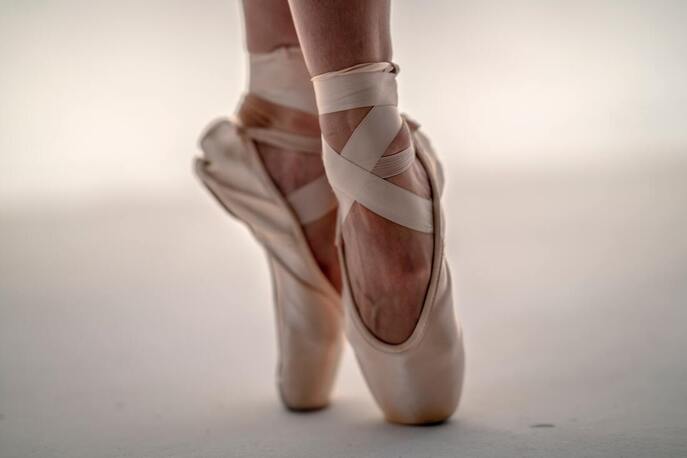
As with most sports or activities, dance involves extensive repetition and forceful movements. When you combine this with growing bodies, it is sometimes a recipe for injury. Dance injuries can be frustrating to recover from due to the frequency of classes or the need to continue training prior to a competition or exam. Physiotherapy may be required to help with the rehab process!
Types of Dance Injuries
There are many types of dance but for a lot of dance styles the injuries are strikingly similar. The majority of injuries tend to occur in the lower body due to the repetition and impact required by many dance steps. Some common dance injuries seen at Donald Physiotherapy include:
- Hip impingement, snapping hip syndrome, hip flexor tendonitis
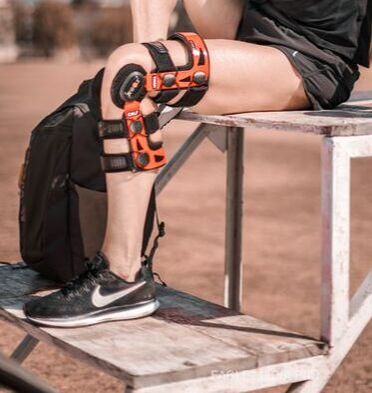
- Knee patellofemoral syndrome
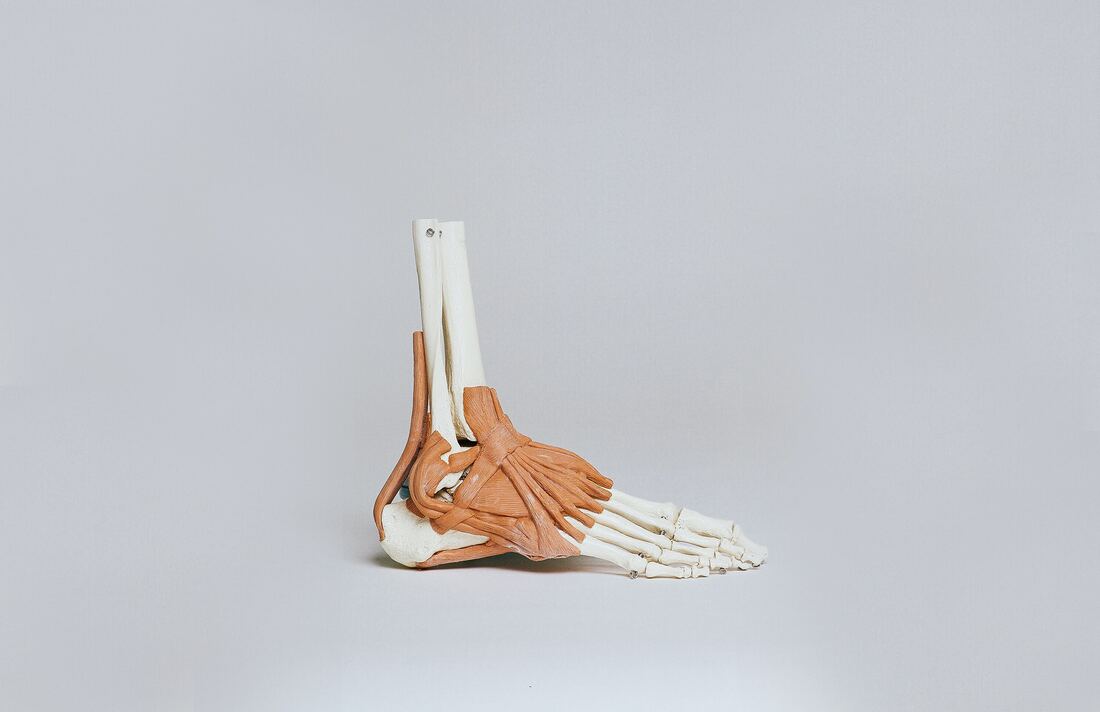
- Sprained ankles
- Sprains or tendonitis in feet
- Achilles tendonitis
- Mid and low back pain
What is Needed to Help with Prevention and Recovery?
SLEEP!!

In order for dancers to stay healthy they need to look after their bodies. Rest and recovery are sometimes overlooked but really should be at the top of the list of the prevention plan.
Proper sleep and avoidance of overtraining can give the body the time it needs to heal small injuries before they progress to anything more serious.
If the body is not given enough time to recover, it can seriously weaken some tissues and decrease performance.
Proper sleep and avoidance of overtraining can give the body the time it needs to heal small injuries before they progress to anything more serious.
If the body is not given enough time to recover, it can seriously weaken some tissues and decrease performance.
Nutrition and Hydration

Nutrition and hydration are very important to fuel dancers’ bodies properly.
A well-balanced diet can be challenging at times because of classes affecting meal times or busy lifestyles limiting the opportunity for proper meals.
It is important to plan out snacks, meals and nutrition in advance to ensure dancers are getting the quality and quantity of food they need to fuel their bodies.
Some serious consequences are possible and all too common, when nutrition is lacking. Historically, this has been a concern in the teenage, female dance group.
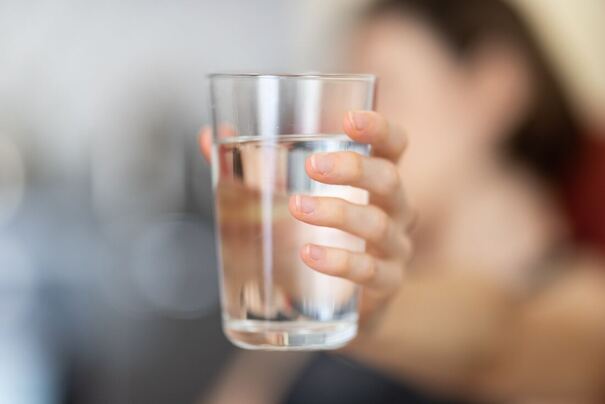
Adequate hydration before, during, and after dance classes should be encouraged due to the physical nature of the activity.
A well-balanced diet can be challenging at times because of classes affecting meal times or busy lifestyles limiting the opportunity for proper meals.
It is important to plan out snacks, meals and nutrition in advance to ensure dancers are getting the quality and quantity of food they need to fuel their bodies.
Some serious consequences are possible and all too common, when nutrition is lacking. Historically, this has been a concern in the teenage, female dance group.
Adequate hydration before, during, and after dance classes should be encouraged due to the physical nature of the activity.
Physical Training
Cross-training and endurance training can be the keys to preventing dance injuries from interrupting a dance season.
Strength exercises focusing on the
Muscle groups such as the gluteal muscles are often under-utilized in dancers resulting in overuse of other muscle groups and subsequent injury.
A good foundation of core strength and hip strength goes a long way to raising a dancer's performance level.
Strength exercises focusing on the
- core muscles and
- hip muscles
Muscle groups such as the gluteal muscles are often under-utilized in dancers resulting in overuse of other muscle groups and subsequent injury.
A good foundation of core strength and hip strength goes a long way to raising a dancer's performance level.
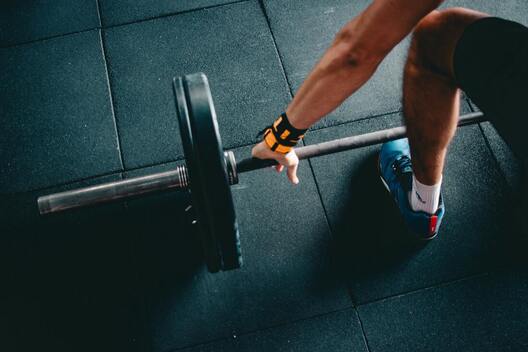
Strong core muscles provide a solid base for the hip and leg muscles to work with when performing dance steps or jumps. They are also crucial for supporting the lower back from the incredible forces that are transmitted through this area of the spine during athletic activities. When considering core strength exercises it is important to remember the low back and oblique muscles in addition to the abdominal muscle groups.
Endurance training such as
They help to actively recruit different muscle groups than those used the most in dance and are very helpful to build stamina for longer performances.
Cardiovascular endurance can help a dancer perform at a higher level for a longer period of time and prevent lapses in focus and concentration due to fatigue.
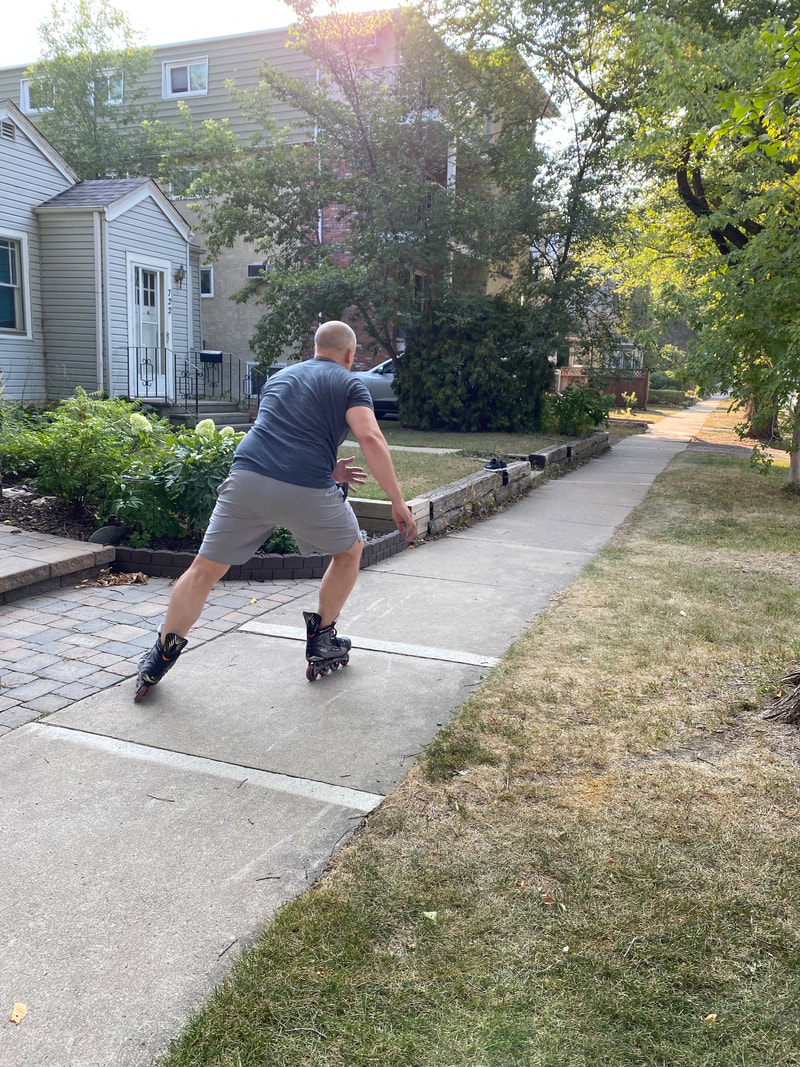
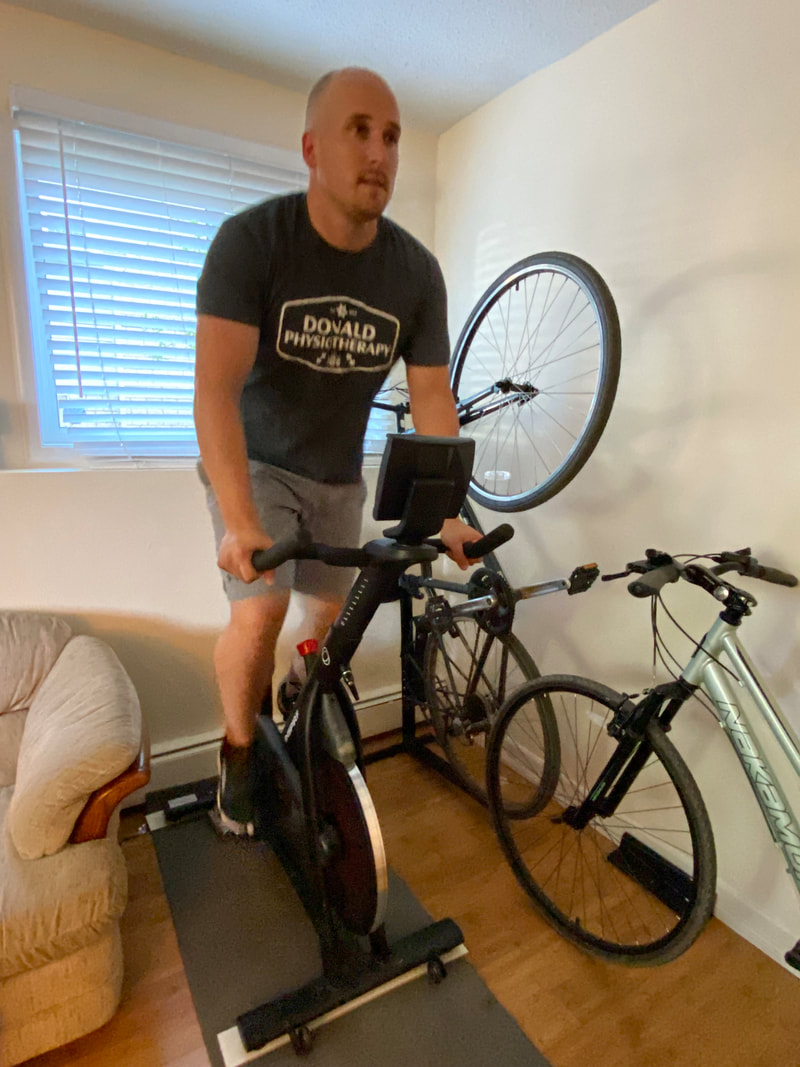
- running,
- swimming or
- biking
They help to actively recruit different muscle groups than those used the most in dance and are very helpful to build stamina for longer performances.
Cardiovascular endurance can help a dancer perform at a higher level for a longer period of time and prevent lapses in focus and concentration due to fatigue.
What About Mobility Work?
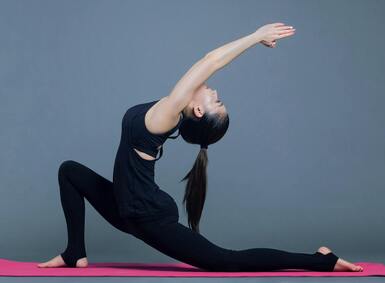
Finally, a critical piece of injury prevention for dancers is mobility work.
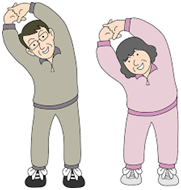
This can include a variety of
Many dancers tend to be quite hypermobile in their spine and lower body joints.
Excessive stretching involving these joints can actually increase the risk of injury by increasing the laxity of some of the joint tissues to the point where they no longer properly support the joint.
This can include a variety of
- stretching routines along with
- muscle release techniques such as those using
- foam rollers,
- hand-held rollers, and
- muscle release balls.
Many dancers tend to be quite hypermobile in their spine and lower body joints.
Excessive stretching involving these joints can actually increase the risk of injury by increasing the laxity of some of the joint tissues to the point where they no longer properly support the joint.
So Now What?
Dance is a great activity for improving
It can lead to a tremendous level of fitness and athletic development for children.
It can also be a source of lifelong friendships and fun as well as create discipline and creativity.
Our team at Donald Physiotherapy is more than happy to work with dancers of any age to achieve their goals safely and effectively.
Any questions, be sure to reach out and ask!
~ Trevor Donald, Physiotherapist
- strength,
- flexibility, and
- coordination.
It can lead to a tremendous level of fitness and athletic development for children.
It can also be a source of lifelong friendships and fun as well as create discipline and creativity.
Our team at Donald Physiotherapy is more than happy to work with dancers of any age to achieve their goals safely and effectively.
Any questions, be sure to reach out and ask!
~ Trevor Donald, Physiotherapist

Trevor Donald
Physiotherapist


















 RSS Feed